Titrations are categorized based on the relative strengths of the reactants, which dictates the pH at the equivalence point. Titration Type Example Reactants pH at Equivalence Point Recommended Indicator HCl + NaOH pH ≈ 7 (Neutral) Bromothymol Blue, Phenolphthalein Weak Acid - Strong Base CH3COOH + NaOH pH > 7 (Basic) Phenolphthalein Strong Acid - Weak Base HCl + NH3 pH < 7 (Acidic) Methyl Orange, Methyl Red Monitoring the Reaction
The point at which a visible change occurs—usually a color shift in a pH indicator —signaling that the equivalence point has been reached. Common Types of Acid-Base Titrations acid base titration
The process revolves around finding the , the precise moment when the number of moles of titrant added is stoichiometrically equal to the moles of analyte present. Titrations are categorized based on the relative strengths
The standard solution of known concentration, dispensed from a burette . The standard solution of known concentration, dispensed from
The solution with an unknown concentration, often held in a conical flask .
While visual indicators are common in educational settings, research and industrial labs often use more precise instrumentation. Acid Base Titration Lab 39 - sciphilconf.berkeley.edu
is a fundamental analytical chemistry technique used to determine the unknown concentration of an acid or base (the analyte) by neutralizing it with a solution of known concentration (the titrant). This method relies on the predictable stoichiometry of neutralization reactions , typically forming water and a salt. Core Principles of Titration
%20(8).jpg)
Start Ashtanga yoga with these 10 easy beginner-friendly poses. Clear instructions, modifications, and benefits. No experience needed - practice today!

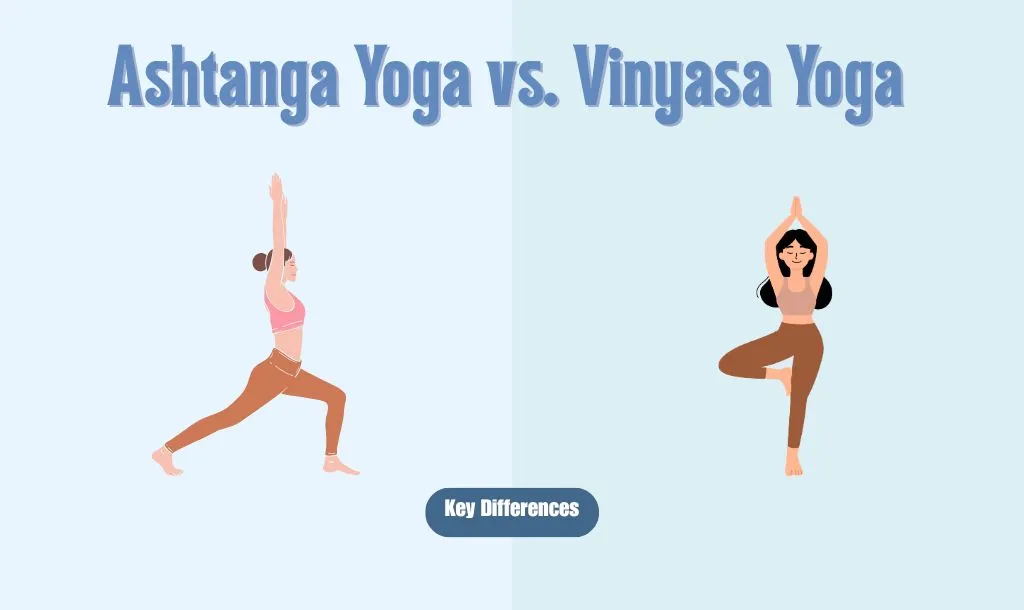
Ashtanga vs. Vinyasa yoga: Learn how these yoga styles differ in flow, structure, and philosophy. Find the perfect fit for your journey and goals!
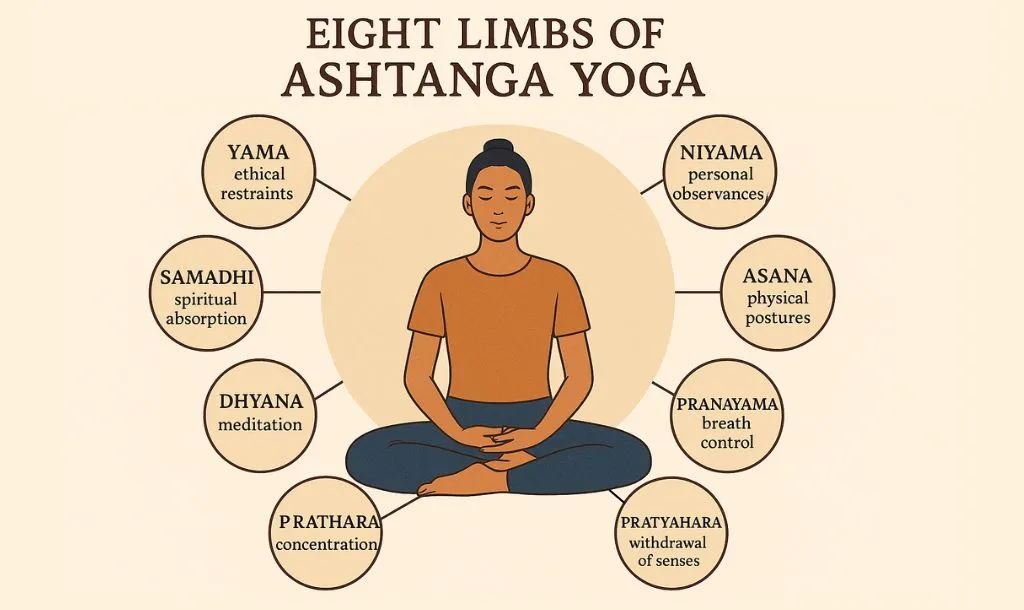
Discover the 8 limbs of Ashtanga Yoga from Patanjali's ancient wisdom. Learn each limb's meaning and how to apply it in modern practice. Start your journey today!


© Copyright 2025 MyYogaTeacher Inc