RetroBat is a software distribution designed for emulation and to be the easiest way to enjoy your game collection on your Windows computer. The supplied EmulationStation interface is fully functional and highly customizable. You can run all your games from it and search online for visuals to enhance the presentation of your collection.
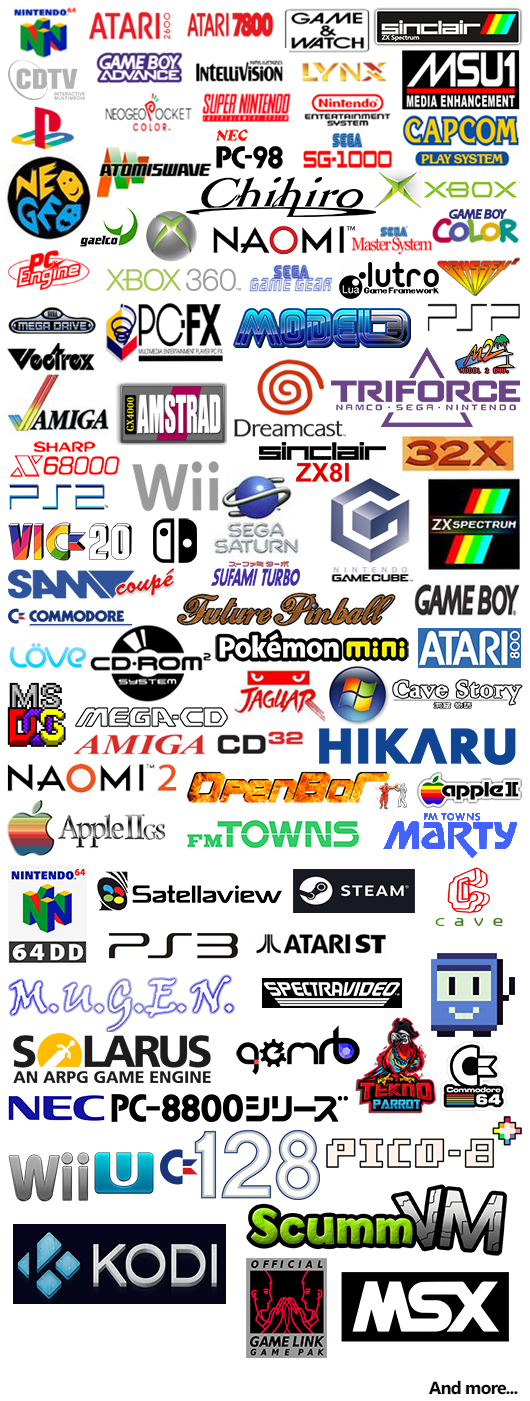
RetroBat allows you to download, update and configure the most renowned emulators directly from the interface. You will discover or rediscover the best games designed for consoles, arcades and computers released to date.
No need to get lost in the options of a multitude of software, all the important options are integrated in the same unified interface.
With RetroBat, you save time that you can use to play!
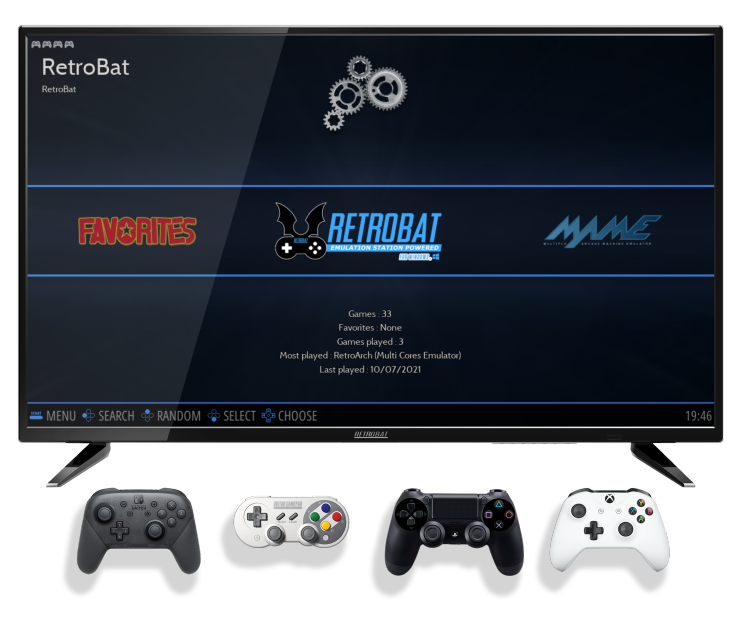




To work properly, the following requirements must be met.
OS :
Windows 8.1 64 Bits, Windows 10 64 Bits, Windows 11 64 Bits
Processor :
CPU with SSE2 support. 3 GHz and Dual Core, not older than 2008 is highly recommended.
Graphics :
– If you want to use emulators such as Dolphin, PCSX2, RPCS3 etc.. you need a modern graphics card that supports Direct3D 11.1 / OpenGL 4.4 / Vulkan
Software :
– VC++ Redistributables (both 32 & 64 bits)
– DirectX
Pad :
You need one or more pads (See recommended controllers)
Scammers use internet-based phone systems to easily manipulate outgoing caller ID data. Many VoIP providers offer web interfaces where users can simply type in the name and number they want the recipient to see.
This specific tactic involves using a fake number with the same area code and prefix as the recipient to increase the likelihood of the call being answered. caller id faker
A , also known as a caller ID spoofer , is a technology or service that allows a caller to deliberately falsify the information transmitted to a recipient's caller ID display. This process masks the true source of an incoming call, making it appear to originate from a different number, location, or organization than the actual one. How Caller ID Faking Works A , also known as a caller ID
While often associated with scams, caller ID faking is not always illegal. The in the United States and similar global regulations focus on the intent behind the action. Typical Use Cases Legal/Ethical Illegal/Malicious The in the United States and similar global
A more technical method where software or hardware generates audio signals to emulate caller ID data during a call, often used to simulate a second incoming call while the recipient is already on the line. The Dual Nature: Legal vs. Illegal Use
Modern caller ID faking leverages the transition from traditional landline networks to and digital infrastructure.
These services function similarly to prepaid calling cards. A user calls a central number, enters a PIN, and then provides the destination number and the fake ID they wish to display.
