 |
Zbirka potpuno korak po korak riješenih zadataka za prvi razred srednje škole Priruènik za samostalno uèenje MATEMATIKA-1- Za one koji ne znaju kako otvoriti zadatke: dvoklik na plave dijelove teksta i trebali bi se otvoriti potpuno riješeni zadaci u PDF formatu ... dakle trebate neki PDF preglednik za to ... prijedlog Adobe Reader ... |
 |

-  |
|
||||||||||||||||||||||||||
Celsius To Fahrenheit DirectThe scale (formerly centigrade) is used by almost every country in the world. It is part of the metric system and is based on the properties of water, with 0° being freezing and 100° being boiling. Memorizing a few "anchor" temperatures can help you orient yourself without doing any math at all: The freezing point of water. 10°C (50°F): A chilly autumn day. 20°C (68°F): Comfortable room temperature. 30°C (86°F): A warm summer day. 37°C (98.6°F): Average human body temperature. 100°C (212°F): The boiling point of water. Why Do We Have Two Scales? If you ever find yourself in a place so cold that the scale doesn't seem to matter, you might be at the "crossover point." At that extreme temperature, it doesn't matter which system you're using—it’s just cold! celsius to fahrenheit If you want the exact temperature, you’ll need to use the standard conversion formula. It involves a bit of multiplication and addition: Alternatively, if you prefer working with decimals: How to Calculate It (The Easy Way) The scale (formerly centigrade) is used by almost If you don’t have a calculator handy, you can get a very close estimate using a simple mental shortcut: the Celsius temperature. Add 30 to the result. The scale is primarily used in the United States, its territories, and a few Caribbean nations. It was created by Daniel Gabriel Fahrenheit in 1724. Many proponents of Fahrenheit argue that it is better for measuring the weather because it is more "human-centric"—0°F is very cold for a human, and 100°F is very hot, providing a more granular 100-point scale for daily life. Fun Fact: Where They Meet 10°C (50°F): A chilly autumn day Do you have a you need to convert right now, or |
|||||||||||||||||||||||||||
|
|||||||||||||||||||||||||||
| - POTPUNO RIJEŠENI ZADACI po školskoj zbirci - MAT-1 - Algebarski izrazi i razlomci ( dostupno samo do 10.03. ) - POTPUNO RIJEŠENI ZADACI po školskoj zbirci --MAT-1 - Jednadžbe, nejednadžbe apsolutne jedn. i nejedn ... |
|||||||||||||||||||||||||||
| Tomislav je zatražio da rješim zadatak >>> i tu je rješen | |||||||||||||||||||||||||||
- POTPUNO RIJEŠENI ZADACI po školskoj zbirci - MAT-1 - Algebarski izrazi i razlomci -- INCICIJALNI TEST ili inicijalni ispit znanja za 1. srednje NOVO - 16.02.2011. |
|||||||||||||||||||||||||||
|
|||||||||||||||||||||||||||
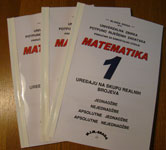


Autor zadataka: Mladen Sraga
Autor kompletnih rješenja i uputa: Mladen Sraga
NIKAKVA KOMERCIJALNA UPOTREBA OVIH ZADATAKA NIJE DOZVOLJENA BEZ PISMENA DOZVOLE AUTORA !!!!!
Ako ne znate riješiti neki zadatak iz školskih zbirki ili s prijemnog ispita, pošaljite nam ga mailm na na
i mi æemo Vam ga riješiti - potpuno besplatno.
Zadatak æemo riješiti ako napišete toèan naziv zbirke i
redni broj zadatka, tekst zadatka možete, a i ne morate napisati.
-